顯示具有 Korea--韓國 標籤的文章。 顯示所有文章

7/14/2008

A Coda: The Best Kimchi & a Beef Soup in Busan—終曲:釜山之非凡泡菜暨牛肉湯

Surprisingly, Japanese is much more useful than English in Busan, the largest port city in South Korea. After googling, the result makes sense that this city is so close to Japan, and it takes 1.5 hour from Osaka by plane, whereas it takes 3 hours from Fukuoka by ferry. By the way, I changed tourist information with an old lady, a lonely & kind backpacker from Kumamoto, on my way to Beomeosa, a must-see temple. Let's get back to foods. When A-Mao arrived in Busan by KTX, an alluring smell of beef was floating in the underground passage connecting Busan station to the opposite Chinatown, or Shanghai Street. I therefore was liked a rat hearing the march from "the Pied Piper of Hamelin" and found this restaurant. One of their young waitresses speaks Japanese well and suggested their beef soup. The kimchi is all-you-can-eat which the best kimchi is in my whole life.

很意外的,在釜山這個韓國最大的港口城市,日語居然遠遠比英語還要通行無阻喔!回台灣Google一下,才發現原來釜山離日本那麼近,舉例來說:從大阪飛過去只花一個半小時;從福岡坐船過去也不過三個小時。(那麼用游的呢?)值得記上一筆的是,在坐地鐵去梵魚寺的途中,還跟鄰座來自日本「熊本」,一個人獨自旅行的親切歐巴桑交換旅遊情報咧!再回到吃的:搭了韓國高鐵KTX抵達釜山火車站,五臟廟早已在高唱空城記。從站前廣場走下通到對面看似比較有食物的地下道,在分別有左右往上走樓梯口,自一個可前進左轉的小小入口中,飄散出濃濃的牛肉香味;A-Mao如同聽到「斑衣吹笛人」之魔音的老鼠,只差沒手舞足蹈地茫然跺進這家餐廳。也許是當時一身旅人的行頭,一個韓國正妹(這妞兒一定也整過型)過來一開口,就用超級流暢的日文接待。她推薦了「超人気」的牛肉湯、並告知兩罈泡菜是「無料」地「奉仕」(愛吃多少就用力吃多少啦)。這,就是A-Mao此行嚐過“最最不凡”的泡菜。

From two jars, experienced A-Mao took a pair of scissors & a pincers to cut the daikon & cabbage kimchi. Firstly, it is spicy, spicy, and spicy! Secondly, it is juicy, tasteful, and balanced well with vegetables, pepper, salt, sugar & ocean flavor maybe comes from fish sauce or shrimp paste. Even though I was sweating a lot and might get a serious stomachache, I could not stop my hands & mouth. Finally, the beef soup stopped me. The broth is clear, flavorful but a little bit salty. Like the locals, I poured the bowl of rice into the soup for balance, and then it tasted so good that I composed this perfect meal as a coda of Korean cuisine in my 2007.

自桌上兩個小罈子中,各夾出一整片白菜及一大塊蘿蔔泡菜,有過雪濃湯之阿珠媽雞婆的幫忙經驗,A-Mao已經自己會用夾子與剪刀將泡菜處理成適合一口吃的大小。一吃,大驚嚇!好辣、好吃、好兩難:這……這味道已經嗆辣到破表(噴火ing,阿娘唯!辣椒是不用鋃喔);這……這好味又讓人家不忍放下沉甸甸的金屬筷(啜泣ing,這甘甜美麗的蔬菜跟魚露還是蝦醬的海洋風味怎會醃漬成這樣搭咧)。不過最後,老子還是豁出去了!反正降溫滅火的冰開水、和擦拭汗水的餐巾紙也是「無料」,冒著胃會痛到在地上翻滾的風險,面對這泡菜惡魔……嗑下去!正當狼吞虎咽卻汗流浹背之際,韓國妹悄悄地送上了在加熱後過的石鍋裡保溫的牛肉湯。嘿!不要看這湯頭非常清澈,卻滿滿都是香味蔬菜與牛的精華好味道:蔬菜煮得又軟又入味,片得薄薄的五花牛肉肌理也很富有層次感;只不過這湯真的是有點給他鹹!因此A-Mao把整碗白飯倒進湯裡;湯汁不會滿溢出來、攪拌過後的鹹度竟也剛剛好、浸淫在牛肉湯裡的飯粒既好味又好嚼。滿足地吃全部光光後,結帳時差點要站不起來,因為除了泡菜與湯飯,A-Mao可能還足足灌了兩公升的水吧?特以此篇作為2007年之韓食終曲。


Cherry blossoms & CCTV—南韓真是CCTV大國啊

Tosokchon Samgyetang—土俗村蔘雞湯

Thanks to Korea Tourism Organization. I got a free but exclusive Chinese-speaking tour guide at Gyeongbokgung for 2 hours and really enjoyed it. He highly recommended Tosokchon & their Samgyetang (or chicken ginseng soup) for a lunch near by the palace. Before my first Samgyetang, as usual, I had kimchi as appetizer. It is average, and I couldn’t tell what the difference between these two daikon kimchi is.

韓國觀光公社提供的免鋃中文導遊之帶領下,花不到一個上午,就悠閒又詳細地逛完整個「景福宮」。之後問這位專屬於A-Mao兩個小時的導遊,附近有啥好吃的餐廳?他強力推薦土俗村這間餐廳。本來想邀請他共享,謝謝他pro的解說;不過想想,人家阮囊實在羞澀……進門點了導遊特別交代的蔘雞湯(日文:サムゲタン),一碟白菜與兩碟蘿蔔泡菜、和辣椒醬及大蒜片被送上來了。嘴巴刁鑽如我,竟然分辨不出那兩碟蘿蔔泡菜的差異;不過因為這裡的泡菜並不是特別突出(也不會特別失色啦),研究了五分鐘後就宣告放棄。

I went to there at 11:30 A.M. around, and suddenly people crowded the restaurant. Most people went for Samgyetang which was served in the hot stone bowl with a small bottle of ginseng wine. I imitated the locals and then poured the wine into the soup. The broth is herb flavor & healthy, the whole chicken is young & tender, and the rice inside it is nutritious & yummy. Really fond of it but extremely full up.

A-Mao約是11點半左右進來的,才等了一下下,整個餐廳就被食客搞得沸沸揚揚,其中還不乏不少的日本觀光客喔!再不久,沸騰的蔘雞湯和一小杯人蔘酒出現了。石鍋中有一隻童子雞,用湯匙輕輕一戳就穿,想必一定熬煮過相當一段時間。雞身內塞入了糯米、紅棗、數種堅果與一支人蔘;學著坐對面的阿珠媽,把人蔘酒全倒入湯中,那一瞬間微妙的誘人氣味如火山爆發地噴香。其實一整鍋的份量很多,不過雞肉入口即化,湯飯香糯爽口,湯汁全是堅果與藥材的濃郁養身風味,卻又不會油膩。雖然撐到不行,最後還是一口一口吃到鍋底朝天。

Night view seen from Mount Namsan, Seoul—首爾南山的夜景

7/10/2008

Bibimbap: Hell & Heaven—梨泰院石鍋拌飯vs.古宮全州拌飯

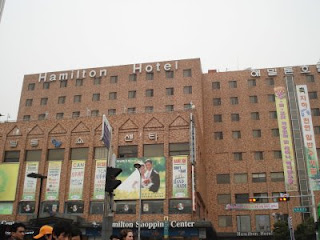
From my point of view, Itaewon in which a local landmark Hamilton Hotel can be found is the most non-Korean area in Seoul for tourists. Slightly similar with "Khao San Road" in Bangkok & "Pham Ngu Lao" in Ho Chi Minh, there are lots of stores, bars & restaurants earning money from foreigners. If you don't have much budget for sleeping, I recommend a sauna in the basement of Hamilton Hotel because it's cheap and near by the subway station. But the ceiling of sleeping area is so low that you have to watch your head, and you may lie next to a guy snoring loudly. In Taiwan, anyway, dolsot bibimbap is my favorite Korean cuisine. It is served in a very hot stone bowl in which a raw egg & seasoned vegetables with chili pepper paste is cooked against the sides of the bowl, and the layer of the rice touching the bowl is golden brown & crispy. I ordered this in Itaewon which is a colorful one but the most distasteful dish during this travel time.

漫步在南韓首都,常常會不經意撞見古色古香的古蹟;個人認為首爾市最不韓流的地方,當屬「梨泰院」了吧?韓戰後,美軍在附近設置軍營,當中也免不了有不少美韓混血兒居住在該處;在民族主義作祟下,他們被稱為「異胎」,所以起初當地叫「異胎院」;後來因為不雅,才改成今日的名稱。經過一番發展,成了一個富異國氛圍的遊客區:走沒幾步就看到掛著「Exchange」和「両替」外幣兌換亭、連在路上行走的外國人的密度也特別高,略有曼谷的「考山路」及胡志明的「范五老」之情調。韓國飯店索費不貲,為了節省旅費,流浪到首爾時,A-Mao大都睡在梨泰院漢彌敦飯店……地下一樓的三溫暖。設備對於一個只求簡單梳洗及睡眠的背包客來說,還算是及格;只不過,在進睡眠區前可千萬得作些心理準備,準備看到一狗票韓國人像屍體般(特別是經過一場戰爭的那種;納粹集中營的毒氣室可能也相差無幾),七零八落地躺在燈光昏暗又要彎腰駝背才能前進的空間中。話說有一晚要進漢彌敦三溫暖前,心血來潮,在鶯鶯燕燕的梨泰院巷弄中,找了間小店跟阿珠媽要了石鍋拌飯,嗯……這看似營養豐富的一頓,也是個人覺得此行最不韓流的一餐。

Jeonju bibimbap is well-known across South Korea, and Gogung is one of the best restaurants specializing in this traditional food. This set appeared in Myeongdong. Before 7 delicate side dishes, including a few kinds of Kimchi and fried laver which is flavorful and crispy, served as accompanists, the soloist, Jeonju bibimbap, was sent in a brass bowl wearing a gorgeous dress, various unknown nuts & vegetables. One Japanese-speaking waitress helped me stir it professionally. Overall, a complicated concerto, a harmonic masterpiece, bravo!

全州憑藉甘美無比的水質,孕育著最優良的農產品,一直享有著韓國美食之都的稱號;其中又以古宮這間餐廳最負盛名。在首爾A-Mao造訪了位在「明洞」的古宮分店,這也有石鍋拌飯啦!但為了犒賞自己,跟一個通日語的小姐點了比較昂貴的全州拌飯。除了黃豆芽湯,先上了七碟樣樣都精緻的小菜(2007年此行最多小菜的一頓):辣的與不辣的泡菜不用說,名店做的還會普通嗎?最讓人激賞的是沾點粉去炸的海苔片,又馨香、又爽脆、又有揚物的飽足感,因此硬是多嗑了它一盤。伴奏的小菜很盡責地撩撥起食慾,主奏的全州拌飯被盛在熱熱的金屬碗、穿著五彩繽紛的晚禮服亮像了!美的實在讓人拍完照片後,不忍動手去攪和它;這時,那個幫我點菜的小姐卍佛心來的卍走過來,拉著我的手就拌起飯來(好害羞)、還邊驕傲地說只有真正的當地人,才能拌出最地道的拌飯。這許多陌生不知名、卻又口感多元的美味食材,譜成了一首繁複悅耳的協奏曲。食畢心得:「最忙的是眼睛、最累的是嘴巴、最快樂的是我」!

Hamilton Hotel—漢彌頓飯店

6/23/2008

By the Way, Foods Encountered—沒吃到的遺珠之憾

Regarding marinated raw crab I encountered in Busan, there are two versions: soy sauce one with lemon & pepper and spicy one which is wrapped in so much red sauce that I almost couldn’t see its shape. I wasn’t hungry then, and its price isn’t cheap, but it will be tried when I go there next time duo to reviews from the other bloggers & its egg yolk inside.

釜山的札嘎其市場內巧遇有賣醬蟹(或叫生醃螃蟹;日文:ケジャン)的店家,看起來有兩種版本:可能會辣死人的那種,紅通通的醬料多到已經讓人看不太清楚蟹形、以及生螃蟹浸在檸檬醬油的那種,但還是加了很多辣椒。當時不太餓、價格問了也不便宜、那時更不知道韓國人亦稱之為「飯盜」,於是拍了些照片就走人了;但是,現在瞭解了它的味道鮮美,下次有機會再去一定要嘗嘗。

For experience & energy, I tasted Balut (half-hatched duck egg) in Vietnam, and it really worked but made me feel disgusted. However, I’m a fan for roast suckling pig expressing soft texture & crispy skin. During walking around in Jinhae in which lots of cherry blossom trees crazily flowering in April, I encountered this baby pig being turned. After inquiring its price, I sadly left because I was on a tight budget.

於滿坑滿谷都是櫻花的鎮海閒逛,剛好碰到一個臨時市集,還有一場高中樂儀隊表演;雖然超級破爛,A-Mao還是很開心的看完並用力拍手。之後就是覓食時間啦!雖然鴨仔蛋讓我有作嘔的感覺(啊在越南吃過,真的是感到很補耶),烤乳豬卻一直是我偏愛的美食,沒想到韓國也有。在路經一家香味四溢的攤位,發現了這隻旋轉中的豬寶寶,吞了口口水問了價錢,阿珠媽竟開價2萬韓鋃!二話不說,夾著尾巴閃人;唉!果然是要努力工作賺鋃啊。

Buy the way, by the way—哇哩還Buy the way咧

6/20/2008

Mul Naengmyeon—水冷麵的冰火五重天

When it comes to cold noodles in East Asia, I experienced three already: Taiwanese type with sesame source, Soba mainly served with dashi in Japan and Mul Naengmyeon in Korea, a cold soup with the noodles contained in broth and the boiled egg, meat & vegetables added. In fact, there is the other variety called Bibim Naengmyeon, served as more of a salad in a spicy dressing, but my guess for my tong the free kimchi is enough.

說到東亞冷的麵食,台客有涼麵(芝蔴大蒜味)、倭寇有冷蕎麥麵(昆布柴魚海苔味)、而高麗棒子也有水冷麵(牛骨高湯芝麻海苔辣椒味);還有一種是拌冷麵,光看就狠辣所以敬謝不敏。活到三十歲嚕,A-Mao的評價是水冷麵>冷蕎麥麵>涼麵;唉,不要問太多,純粹個人喜好。涼麵是小時候桃園國小福利社賣的「可口涼麵」最好吃(想當年,一盒十鋃;好不容易上一節下課排隊買到,下一節下課就衝到花園嗑掉)、冷蕎麥麵在日本還沒吃過難吃的(不像在台灣,在當地吃飯要碰到地雷是很罕見滴)、而水冷麵在韓國吃到了兩碗都是隨機、但是不可多得的好味。

Jinhae is famous for its annual festival on white cherry blossom grown during the Japanese occupation period. Before leaving this beautiful harbor, I ordered one mul naengmyeon in a BBQ restaurant. It was so hard to chew that sooner or latter a nice waitress bought a specialized pair of scissors and cut the noodles. Very appetizing in the summer.
這碗是在鎮海看完白色的櫻花鬧得滿城飛花後吃的:麵條非常有彈性……有彈性到很難咬斷。說時遲、那時快,一位阿珠媽過來用桌上的剪刀處理一下,就很方便食用啦!冷冷的牛骨湯喝起來是甜甜辣辣、加上海苔與芝麻,開胃非常。
Suwan is near by Seoul, and there is a World Heritage, Hwaseong, took me a whole afternoon for climbing. After that, my body ordered mul naengmyeon again and then I found this one, much spicier than the former. However, both are as balanced as delicious because the latter was added some ices.

這碗是A-Mao活著爬完一整座華城後在水原吃的:水冷麵上來時已經先剪過了(残念);這一家的口味較上一家辣、不過有加上一坨碎冰的關係,整體吃起來也是種特別的平衡耶(冰火五重天)。麵條彈牙依然;還有第一次吃到黃色的蘿蔔泡菜。

6/19/2008

Abalone Porridge & Mul Kimchi—大長今之鮑魚粥

Before being employed in CCTV industry, I had no prejudiced view of Korean. Not only are they our main competitors, but I also disliked their behavior when they observed our DVR at exhibitions. After traveling there in 2007, I had changed my mind because most of them are enthusiastic as well as virtuous. Anyway, have you watched “Dae Jang Geum”? The heroine introduced abalone porridge at a cooking competition and it deeply touched my heart duo to her introduction: because abalone eats lots of seaweed, its entrails shine light green and is distillation of ocean. About this one, creamy mouthfeel and seafood taste with slightly sesame flavor made me almost cried. Albeit expensive, it will also be a must when I go to there in the future. Meanwhile, the small bowl of soup is not a soup but mul kimchi (or water kimchi) and the liquid is really tasteless.

本來對韓國人沒啥特別好惡,誰知吃了CCTV這一行飯,就開始有些討厭南韓。除了是我們公司的主要競爭對手外,在展覽會場到我們的攤位亂玩產品的蠻橫態度也讓A-Mao反感。不過在2007年的自助旅行後,看法有了180度的大轉變:其實韓國人大多是既熱心又善良的啦。扯遠了;有沒有看過「大長今」?隨著劇情發展,大夥玩得越來越大!啊不是啦,我是說格局作得越來越大啦。其中有一幕呈上鮑魚內臟粥給太后娘娘時,我們美美的長今解說:「因為吃了很多新鮮海草,內臟發出淺淺綠光,是來自“大海的精華”」。講得真好!衝著這句觸動愛吃鬼心弦的對白,在明洞鬧區中找了間位在地下室的餐廳來犒賞自己一番。這缽鮑魚粥散發出強烈的海潮氣味呈現在貪婪的A-Mao面前、夾帶著淡淡的芝麻馨香、生鵪鶉蛋豐富了口感與層次、鮮美的鮑魚碎埋在熬得極糜爛、極入味的粥裡,這……這真是來自“大海的精華”!(謎之聲:啊你是鸚鵡喔?)但是,囧的來了,照片中被筷子壓著的那碗看起來像湯的,其實並不是湯;那當下搞不清楚狀況喝了一口嚇到,眼角還瞥到其他客人在偷笑(心中OS:這湯怎麼會是冷的?怎麼如此……如此乏味咧?跟昂貴的鮑魚粥完全不搭嘛。還有,他們到底是在笑什麼勁咧?)回台灣查了一下,才知道原來那叫水泡菜;那麼,泡菜水當然不會是美味重點嘍。

6/18/2008

Roadside Stand: Sundae & Sea Pineapple—首爾之黑大腸與釜山之海鳳梨

In Seoul, I found a crowded roadside stand selling Sundae & Tteokbokki. The latter seemed so spicy that I went for the former (or blood sausage) come with steamed pig liver & stomach. There are two seasonings for me: one is chili flavor salt, and the other one is chili soybean sauce. Not bad for tasting, but too bad I finally noticed the soybean sauce is for every gourmet, and, actually, Korean has the third dressing option—their friends' Tteokbokki source.

在首爾的明洞發現了一家很多客人的攤子,湊近一看,原來在賣黑大腸與辣炒年糕,於是就找個位子坐在三個嘰嘰喳喳的高中女生旁邊;看到辣炒年糕那紅通通的醬汁在鐵板上冒煙,隨著水份不斷的蒸發,不太能吃辣的A-Mao吃了大概頭上也會冒煙吧!當然只能點黑大腸嘍(日文:スンデ),附帶蒸的豬肝和豬肚也讓人驚喜;黑大腸嘗起來QQ的,內容比台灣的米腸豐富,多了豬血、蔥碎和粉絲,還有辣椒調味過的鹽和辣椒醬油可以沾。不過吃到一半才發現,那辣椒醬油是共用的;還有,也許因為顧及吃相的關係,一塊黑大腸高中女生要兩口才能吃完,沾一下、吃一口、再沾一下……

In Busan, A-Mao found another crowded roadside stand vending sashimi. Unlike Japanese, Korean wrap it in lettuce and then dip it in two kinds of sauces: traditional version is favored with raw garlic and, of course, chili, as well as Japanese version dressed with wasabi. Never had I tried sea pineapple before. This glowing creature was picked then. Now, I don’t want to recall its taste, but at least I didn't have to share sauces with others.

釜山真不愧為韓國第一海港,札嘎其市場內滿是賣魚貨的攤販。基本上,A-Mao淡水魚不吃、熟的魚不愛吃,但對生的魚趨之若鶩、帶殼的海鮮亦是我的最愛。逛了一大圈,還是選定一家人擠人的生魚片攤子坐下,看了看冰櫃,手就堅定地指向從來沒吃過的海鳳梨(日文:ホヤ),阿珠媽熟練地用剪刀去殼再清除內臟,轉眼間韓式生魚片上桌了。與日本不同的是,可以用生菜包起來再沾韓式醬(有點像台灣的五味醬)、好重口味的饕客還能夾生大蒜,真是北方豪邁的吃法;不過也有日式的山葵醬油換換口味啦。只不過,這海鳳梨真是太鮮了,鮮到你吃第二塊時就覺得腥!完了,鋃都花了,只好眼框擒著淚水,就著韓國燒酒嗑完它。


The Debut—Seol Leong Tang vs. Something Leong Tang (首演—雪濃湯與啥濃湯)

I've gone through America, Japan, South Korea, Macau, Hong Kong, Vietnam, Thailand, Philippines, and Indonesia since being a sales staff in a DVR manufacturer for 3 years. My guess it's time to make a debut of a blog sharing experiences regarding food, travel and music. Delicacies should be a good point from which to start because my mother is so good at cooking and boiled my stomach already.

空軍樂隊一退伍,馬上就開始接受貿易公司十八般武藝的訓練;覺得學夠了(其實是被操夠了,那段要拆櫃子的苦命經歷,讓我現在看到貨櫃就有想哭的感覺),就跳到現今這家公司當業務,一幹就是三年。因出差、員工旅遊、以及起初一圓背包客的夢想到一發不可自拔的自助旅行狂熱,至今快走遍整個東南亞,而我最愛的日本也去了七次了(嗯……不過個人還是認為釣魚台是台灣的啦),想想真是……呃……真是人生苦短啊。要用有限的時間賺有限的鋃、再用有限的特休出國花有限的鋃。Anyway,從各個網誌吸取足夠的天地精華之後,加上田野調查與實地走訪,現在,該是我回饋及紀錄的時候啦!那麼……就從愛吃鬼的強項「食物」開始吧。

This is my first Korean meal, Seol Leong Tang, when I was being a lonely backpacker there for 9 days in 2007. The milky soup must be stewed with ox bone for quit a long time. In the beginning, A-Mao really had no idea how to enjoy this combo. But a few minutes later a kindly waitress noticed I was a new comer and used a specialized pair of scissors & a pincers to sheer the red-hot kimchi, including a chunk of daikon & many leaflets of cabbage—A-Mao really has to say: the kimchi is extremely hot but juicy. Without receiving my green light, she suddenly poured the rice and chopped spring onion into the soup. And then, anyway, the mix is so flavorful.

看看這個湯,是不是很白雪?2007年A-Mao孤家寡人靠著兩句破韓文(你好跟謝謝,對不起因為太長懶得背)勇赴朝鮮九日,第一頓在首爾吃的就是這個雪濃湯(或先農湯;用牛骨長時間熬煮,滿滿又豐富的鈣質是不用說的嘍!上桌時湯裡還有牛肉片;日文:ソルロンタン)。整個套餐上來A-Mao完全不知如何下手,特別是那蘿蔔泡菜和白菜泡菜又是整整一大片。好心的(也可以說是雞婆的)阿珠媽在點菜時知道我不是韓國人,在發現我遲遲不落筷後,二話不說過來幫忙用夾子和特製的剪刀把泡菜弄成適合一口吃的大小(狠辣、但多汁好味)、又把切好的蔥和飯往雪濃湯裡倒,這……這舉動讓A-Mao還蠻驚嚇的(心中OS:沒人教過妳不要玩食物嗎?特別是別人的食物)。不過,感覺吃起來真的是超營養,再搭配上泡菜是超好吃的啦。

This meal appeared in Gyeongju. A-Mao requested “Seol Leong Tang” at a cozy restaurant, but the boss brought me this “Something Leong Tang” with six side dishes. Well, the only two Korean I can speak is Hello (An Nyeong Ha Se Yo) & Thanks (Gam Sa Ha Mi Da), and poor I therefore tried it without a second thought. Lots of unknown vegetables and the soup tastes a little bit bitter but luscious. Without these side dishes, I couldn’t finish this Exotic Nutrition.
在韓國首爾,英文就不太通嘍、更別提慶州這個鄉下地方。餓了,在只有市井小民來往的巷弄間,找了個看似便宜卻熱鬧的店家,進門現學現賣地用韓語點了雪濃湯「Seol Leong Tang」,結果,端上來的竟是伴著六碟小菜、和許多不知名的蔬菜熬煮的菜湯;這裡的阿珠媽上菜時喃喃自語,聽起來好像說這是「Cao Leong Tang?草濃湯?」哇咧三四天沒好好說上幾句中文跟英文了,快變啞巴的A-Mao還有力氣靠妖嗎?於是只好埋頭默默地吃著,一口菜湯伴飯配小菜是真的不錯吃啦(纖維素宇宙多);但是,A-Mao還是偏愛與思念雪濃湯那如豚骨拉麵般馥郁湯頭。